


How Long Does a Commercial Eviction Take in Washington?
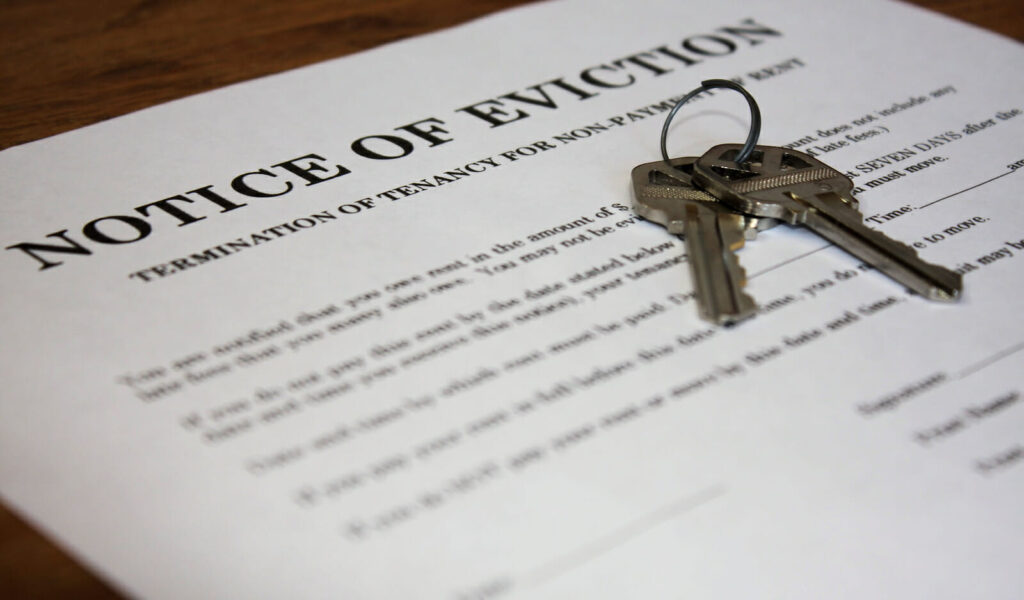
Can a commercial landlord evict a tenant in under a week?
No. A commercial eviction in Washington typically takes three to twelve weeks for an uncontested case, but it can stretch to three to six months if the tenant legally challenges the action.
How Long Does a Commercial Eviction Take in Washington?
A commercial eviction in Washington often runs several weeks from the first notice to the day the tenant leaves, though the exact timeline depends on the reason for the eviction and whether the tenant contests it.
Because commercial tenancies fall outside the Residential Landlord-Tenant Act, they move through a different, and often faster, process than residential evictions.
Landlords must walk through the commercial eviction timeline in Washington step by step, from the notice period to the writ of restitution, so they can plan around realistic ranges rather than guesses.
Commercial Eviction Timelines in Washington
- Commercial evictions in Washington run under the unlawful detainer statute, chapter 59.12 RCW, not the residential act.
- The notice period is the first fixed step: 3 days for unpaid rent, 10 days to cure a lease breach, or 20 days to end a periodic tenancy.
- A landlord may not remove a commercial tenant without a court order, and self-help lockouts are unlawful.
- After a court grants a writ of restitution, the county sheriff carries out the physical removal.
- In commercial unlawful detainer cases, Washington courts must award twice the damages assessed under RCW 59.12.170.
Why Commercial Evictions Follow a Different Path
Commercial evictions in Washington are governed by the unlawful detainer statute, chapter 59.12 RCW, while residential evictions fall under the Residential Landlord-Tenant Act at chapter 59.18 RCW. That distinction matters, because the residential protections that slow many evictions do not apply to commercial tenants. The result is a process that tends to move more predictably for a commercial landlord.
Commercial and residential evictions are not the same
The residential act adds notice requirements, just-cause rules, and payment protections that lengthen residential cases. Commercial tenancies under chapter 59.12 RCW do not carry those extra layers, so the timeline is driven mainly by the notice period, court scheduling, and whether the tenant fights back. For a business landlord, that usually means a shorter and more certain path.
The lease often controls the details
Your commercial lease may set its own notice terms, cure periods, and default procedures, and courts generally enforce what the parties agreed to. Before sending any notice, it helps to read the lease closely, because a step the lease requires but the landlord skips may reset the clock. The statute sets the floor, and the lease frequently adds to it.
Step 1: The Notice Period
Every commercial eviction begins with a written notice, and its length depends on the reason. The notice period is a statutory minimum that a landlord may not shorten. Getting the notice right is the single most important step, because a defective notice may force the landlord to start over.
Washington sets different notice periods for different grounds under RCW 59.12.030. The most common commercial notices are outlined below.
- Three-day notice to pay rent or vacate. Used when a commercial tenant falls behind on rent.
- Ten-day notice to comply or vacate. Used for a curable breach of a lease term.
- Twenty-day notice to terminate. Used to end a month-to-month or other periodic tenancy.
- No notice for a holdover. When a fixed lease term simply ends, the tenancy may end without further notice.
The right notice depends on the exact ground and the lease language. Matching the notice to the situation, and serving it correctly, keeps the case on the fastest lawful track.
Step 2: Filing and Serving the Unlawful Detainer
If the tenant does not comply with the notice, the next step is filing an unlawful detainer lawsuit in the superior court for the county where the property sits. The tenant must then be served, and the court paperwork sets a window to respond. This stage commonly takes one to three weeks, depending on service and court processing.
The summons and the response window
A commercial tenant served with an unlawful detainer summons must respond within the window the summons states. Under RCW 59.12.070, that return date is generally between 7 and 30 days from service. The tenant’s written response, or the absence of one, shapes what happens next and how long it takes.
What happens if the tenant does not respond
When a commercial tenant misses the response deadline, the landlord may ask the court for a default judgment. An uncontested case tends to resolve faster, because there is no dispute for the court to weigh. A tenant who answers, by contrast, sends the case toward a show cause hearing.
Step 3: The Show Cause Hearing
When a commercial tenant contests the eviction, the court sets a show cause hearing to decide who has the immediate right to possession. This pretrial hearing is often where a case is effectively decided, since the court may issue a writ of restitution if the landlord shows a valid notice and default. The hearing is usually scheduled within a few weeks of service.
How the hearing works
At the show cause hearing, the landlord presents the lease, the default, and proof of proper notice, and the tenant may raise defenses. If the landlord prevails, the court may order a writ of restitution on the spot. If the tenant raises a genuine factual dispute, the court may set the matter for trial, which adds time.
Commercial cases may receive priority
Washington law directs courts to give unlawful detainer actions priority on the calendar under RCW 59.12.130. That priority helps commercial landlords reach a hearing faster than an ordinary civil case. Local court backlogs still affect timing, so the benefit varies by county.
Step 4: The Writ of Restitution and Removal
If the landlord wins, the court issues a writ of restitution, the order that directs the sheriff to return the property to the landlord. Only the sheriff may carry out the physical removal, and this final step may take days or, in busy counties, considerably longer.
Only the sheriff may remove the tenant
A landlord may not carry out the removal alone, and one who tries risks serious liability. After the court issues the writ, it goes to the county sheriff, who serves it and schedules the physical eviction. This is the point where local staffing, not the law, drives the timing.
How long the writ stays valid
A writ issued under chapter 59.12 RCW is generally valid for 20 days, longer than the residential window, and may be extended if needed. The sheriff schedules the eviction based on local volume. In high-volume counties such as King County, that scheduling may add meaningful time, so a landlord benefits from planning for a range rather than a fixed date.
Putting the Commercial Eviction Timeline Together
The total time for a commercial eviction is the sum of several stages, and each has a statutory minimum that no one may compress. An uncontested case with clean paperwork may move quickly, while a contested case or a court backlog stretches the calendar. The general ranges below help set expectations without promising any single result.
- Notice period: 3 to 20 days, depending on the ground
- Filing and service: roughly 1 to 3 weeks
- Response window and show cause hearing: roughly 2 to 5 weeks
- Writ execution: a few days to several weeks, based on the county
Adding these stages together, a straightforward commercial eviction often spans several weeks, and a contested one may take longer. Treat these as planning ranges, since your facts and your county drive the real timeline.
What Can Slow a Commercial Eviction Down
Most delays trace back to a handful of avoidable problems, and knowing them helps a landlord keep the case on track. A little care at the front end usually saves weeks at the back end. The issues below are the ones that most often stall a commercial eviction.
- A defective notice. The wrong notice period or form may force a restart.
- Improper service. Service that misses the statutory method may void the step.
- A contested answer. A tenant who raises real defenses may push the case toward trial.
- Court and sheriff backlogs. Local volume affects both hearings and removals.
- A bankruptcy filing. A tenant’s bankruptcy may pause the case through an automatic stay.
Anticipating these issues lets a landlord plan realistically and avoid the missteps that cause restarts. Careful paperwork, matched to the lease and the statute, is what keeps a commercial eviction moving.
Commercial Eviction in Washington: Questions Answered by Our Seattle Attorneys
May a commercial landlord change the locks in Washington?
No. A commercial landlord in Washington may not use self-help, such as changing the locks or removing a tenant’s property, without a court order. Removal happens only through the sheriff after a writ of restitution. A landlord who locks out a tenant without that order may face liability for damages and attorney fees.
How long is a writ of restitution valid?
A writ of restitution issued in a commercial case under chapter 59.12 RCW is generally valid for 20 days, longer than the residential writ. If the sheriff does not execute it in that window, the landlord may seek an extension. The exact timing of the physical removal depends on the sheriff’s schedule in that county.
Do commercial evictions really carry double damages?
In many cases, yes. Under RCW 59.12.170, a court in a commercial unlawful detainer case must award twice the damages assessed, which may include past-due rent. This mandatory doubling does not apply to residential evictions. Because the numbers add up quickly, both landlords and tenants benefit from early legal advice.
Can a commercial tenant stop the eviction by paying late?
Sometimes, but the rules are narrower than in residential cases. A commercial tenant’s ability to cure a default and stay depends on the lease terms and the specific ground for eviction. Unlike residential tenants, commercial tenants do not have the broad pay-and-stay protections of the residential act, so timing and lease language control the answer.
Planning Your Next Move as a Commercial Landlord
A commercial eviction is rarely about a single missed step, but about keeping every step clean so the case moves on the fastest lawful track. The landlords who recover their property quickest are usually the ones who papered the notice correctly and planned for the county’s real calendar, not a hoped-for date.
Our Seattle real estate team helps commercial landlords scope the timeline, prepare valid notices, and move an unlawful detainer efficiently from filing through the writ.
When you are ready to plan your next move, we are here to help.
- Schedule a consultation with Dickson Frohlich Phillips Burgess
- Seattle office: call (206) 621-1110
